There is a solid framework for a deal, but there are unresolved questions.
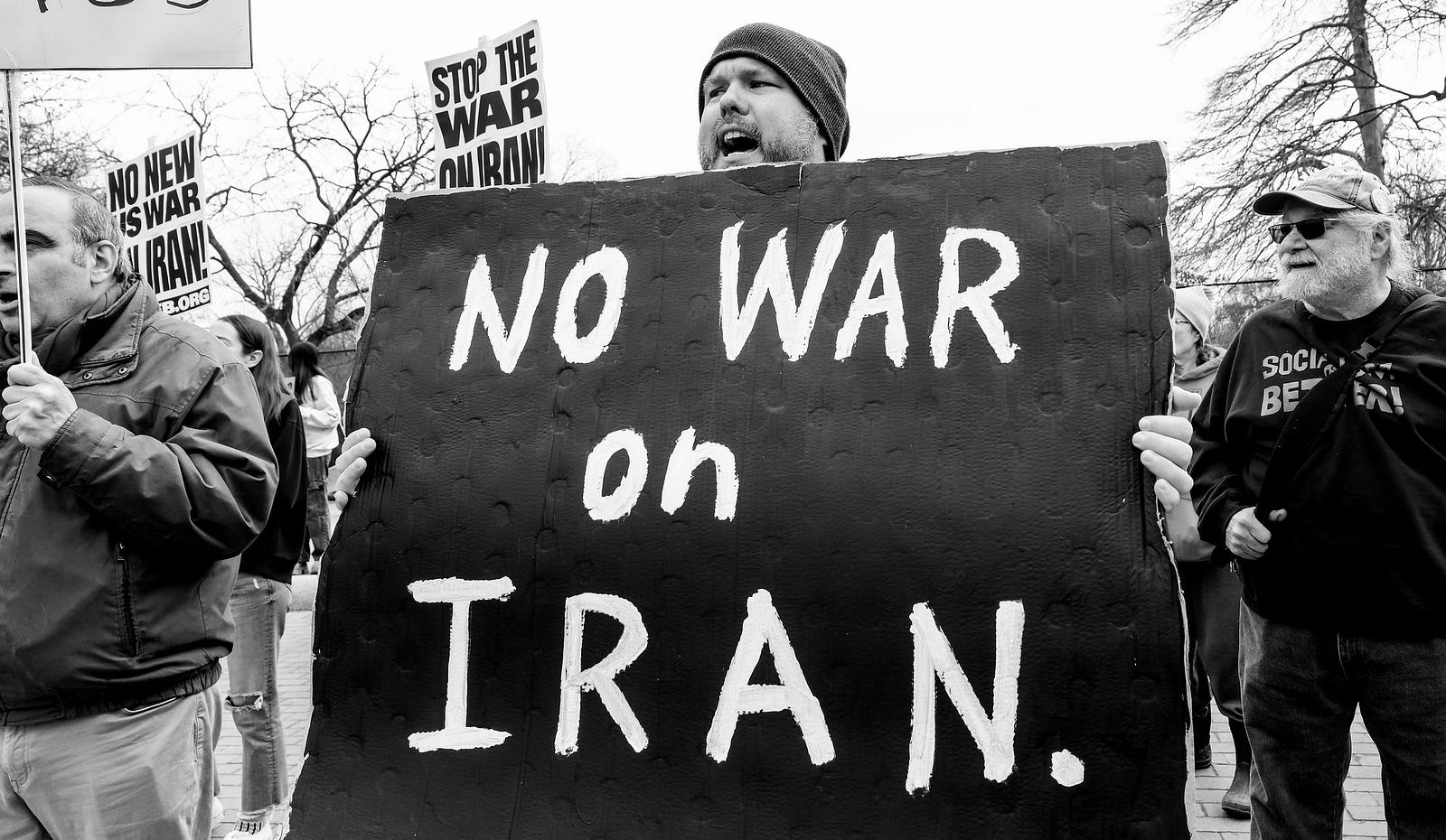
For the first time in weeks, there is good reason to believe the Iran war may be moving toward an off-ramp.
President Trump says a deal has been “largely negotiated.” The emerging framework appears to include a 60-day ceasefire extension, the reopening of the Strait of Hormuz, the lifting or easing of the U.S. blockade on Iranian ports, and renewed Iranian oil sales under some form of sanctions relief or waiver.
It may also include a process for dealing with Iran’s enriched uranium stockpile and nuclear program, though that is where the blueprint becomes a bit more complicated.
This moment deserves optimism, if not outright celebration.
The good news is obvious. The Strait of Hormuz matters to the entire world. When Iran threatens or obstructs that waterway, the consequences do not stay in the Persian Gulf. They show up in energy prices, food prices, shipping costs, fertilizer shortages, market instability, and political pressure in countries that had no desire to be dragged into the conflict in the first place.
If this framework reopens Hormuz and keeps it open without tolls, mines, or Iranian harassment, that is a major win. It would lower the temperature. It would reduce pressure on the global economy. It would give Gulf states breathing room. It would give Trump a chance to say that maximum pressure worked without having to resume bombing. It would give Iran a chance to step back without publicly admitting surrender.
That is how diplomacy usually works. Everyone gets something. Everyone pretends they got more than they did.
But the unresolved questions are, admittedly, rahter enormous.
The biggest one is the uranium. President Trump and U.S. Secretary of States Marco Rubio have both made clear that Iran cannot be allowed to have a nuclear weapon. The administration’s position appears to be that Iran must turn over, dilute, or otherwise eliminate its highly enriched uranium stockpile. But Iranian sources are already pushing back, telling media outlets that Tehran has not agreed to hand over that stockpile and that the nuclear issue is not part of the preliminary agreement.
That is not a small detail.
A preliminary agreement that opens Hormuz while postponing the nuclear question may still be useful. It may even be necessary. Wars often end in stages. But no one should pretend that reopening the strait is the same thing as solving the Iran problem.
There is also the question of Iranian control over Hormuz. Trump has suggested that the strait will be opened under terms favorable to the United States and its partners. Iranian state-controlled media outlets have suggested something different: that Iran retains legal management and control.
It’s more than semantics. Does “open” mean free navigation for international shipping? Does it mean Iran stops charging transit fees? Does it mean mines are cleared? Does it mean neutral shipping can pass without being searched, delayed, or threatened? Does it mean the U.S. blockade ends immediately, or only after certification?
Trump is now saying there is “no rush” and that the blockade stays until a deal is finalized, certified, and signed. That is the right posture. If the blockade created leverage, giving it away before the hard terms are locked down would be foolish.
There is also the Israel question. Israel is not going to outsource its security to a memorandum of understanding. Israeli Prime Minister Benjamin Netanyahu will want freedom to act against Iran, Hezbollah, and any other Iranian proxy that uses a ceasefire to rearm. That may be frustrating to diplomats, but it is reality. Israel has learned, repeatedly and painfully, that paper guarantees do not stop rockets, tunnels, drones, or nuclear programs.
Then there is the domestic political question. Trump is being squeezed from both sides. The left wants him stopped, punished, isolated, and internationally humiliated — but what else is new? The hawks want him to “finish the job” and bring down the regime. Both sides are pretending the choice is clean. It is not.
Trump has to decide whether the current level of pressure is enough to force a durable deal, or whether stopping now leaves Iran battered but still dangerous. He also has to decide how much risk the United States should assume for the possibility of a bigger victory.
There is no guarantee that more bombing produces a better outcome. There is also no guarantee that a partial deal produces peace.
That is why the framework matters. It gives all sides a ladder to climb down. It does not answer every question, but it creates a process for answering them without immediately returning to war.
That may not satisfy everyone. It certainly will not satisfy the people who want Trump to be a monster no matter what he does. It will not satisfy the people who think anything short of regime collapse is failure.
But it may be the only realistic path.
Trump’s best argument has always been that strength can create diplomacy. That is the test now. Not whether he can bomb Iran. He already proved he was willing to use force. The question is whether he can convert military pressure into a real agreement: Hormuz open, nuclear capacity constrained, regional escalation reduced, and Iran denied the ability to hold the world economy hostage.
There is hope today. Real hope.
The next few days will tell us whether this is the beginning of a serious settlement — or just another pause before the war resumes.
(Contributing writer, Brooke Bell)